AGP Executive Report
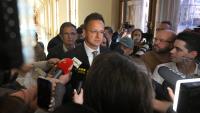
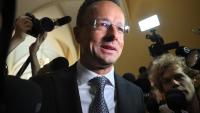
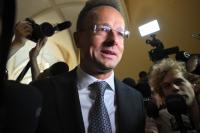
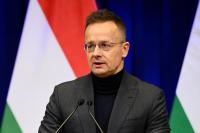
Last update: 9 hours agoNobel Medicine: The 2026 Nobel Prize in Physiology or Medicine went to Karl Deisseroth and German researchers Peter Hegemann and Georg Nagel for optogenetics, a light-based method that helps map how specific cell types drive learning, fear, addiction and movement—pushing toward new treatments for disorders like Parkinson’s and epilepsy. Hungary in the spotlight: Hungary’s former foreign minister Péter Szijjártó faced a parliamentary grilling over his ties to China’s BYD while in office, including alleged conflict-of-interest concerns around subsidies and a Budapest R&D plan. EU trade vs China: EU trade chief Maroš Šefčovič is heading to Beijing demanding “tangible results,” but analysts expect little beyond monitoring and statements as tariffs and rare-earth access tensions simmer. Water stress in Central Europe: The Czech Republic logged its third-driest year since 1961, with major drought impacts and an AI “gigafactory” plan landing amid worsening water risk. Research & talent: Corvinus University earned EQUIS accreditation, completing its “Triple Crown” with AACSB and AMBA. Tech & science culture: A new Budapest-based podcast series, “Challenging Archives,” launches from the Blinken Open Society Archives to spotlight Cold War-era human rights research. Math meets AI: The Justin Sun Prize recognized researchers solving multiple Erdős problems, including work tied to AI-assisted mathematical discovery.
Note: AI summary from news headlines; neutral sources weighted more to help reduce bias in the result. Feedback is welcome. Please let us know if you have any comments or suggestions about the AGP Executive Report.

 Perspectify News